OURSTUDIO
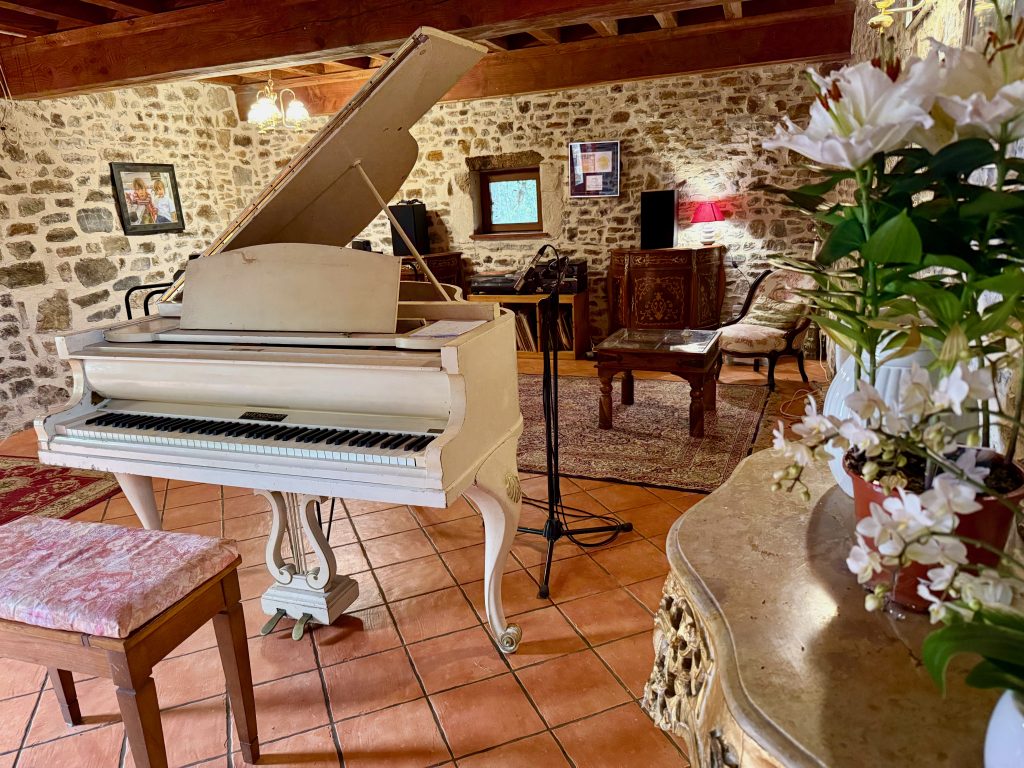
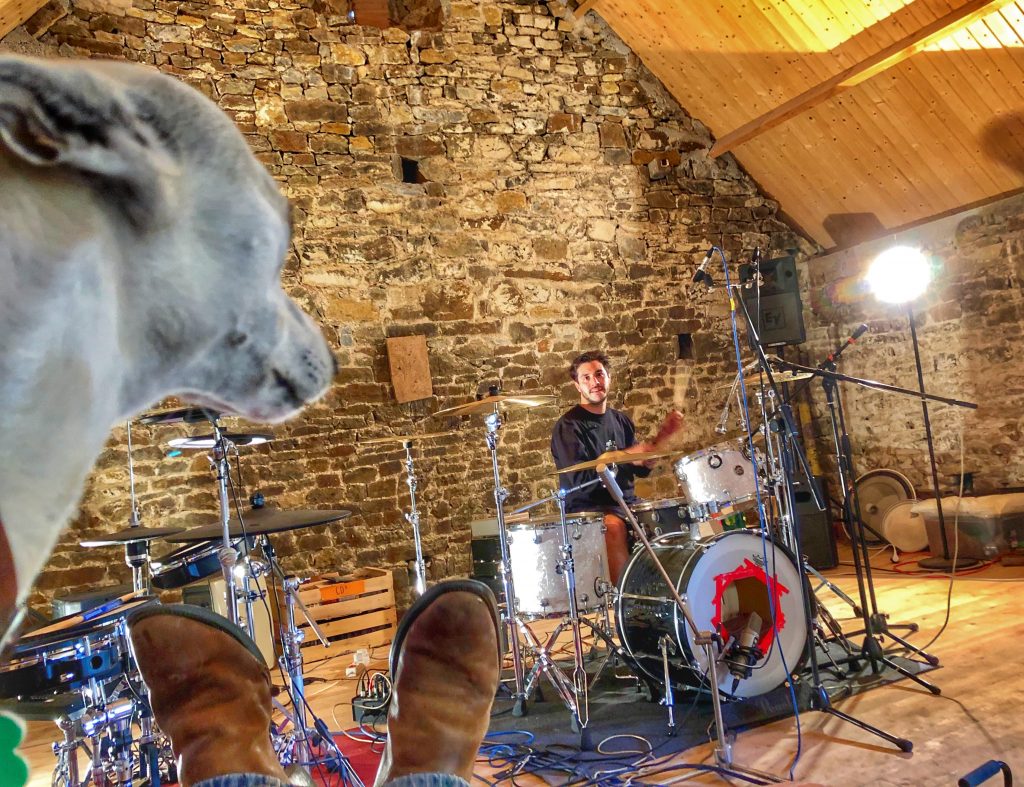
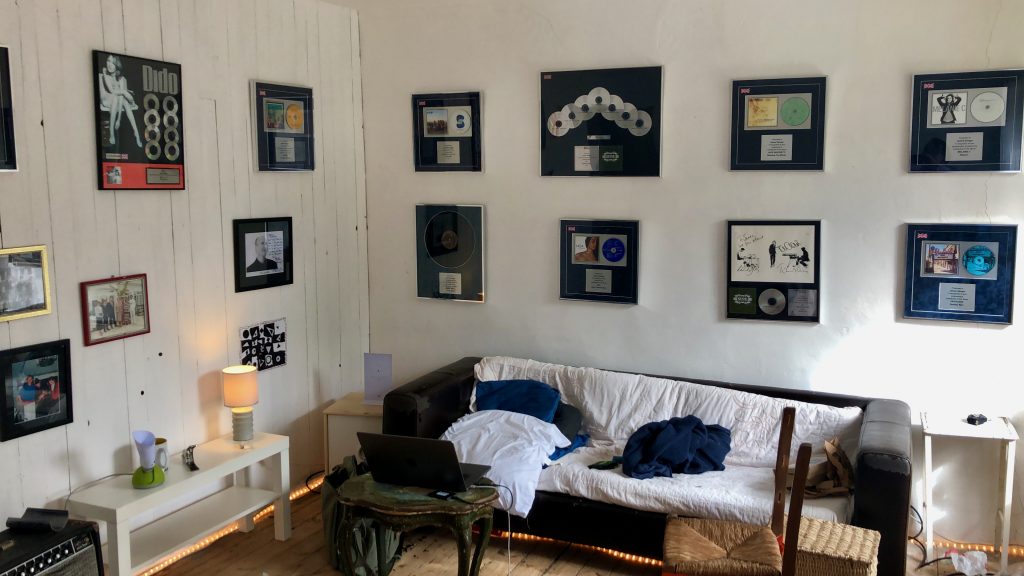
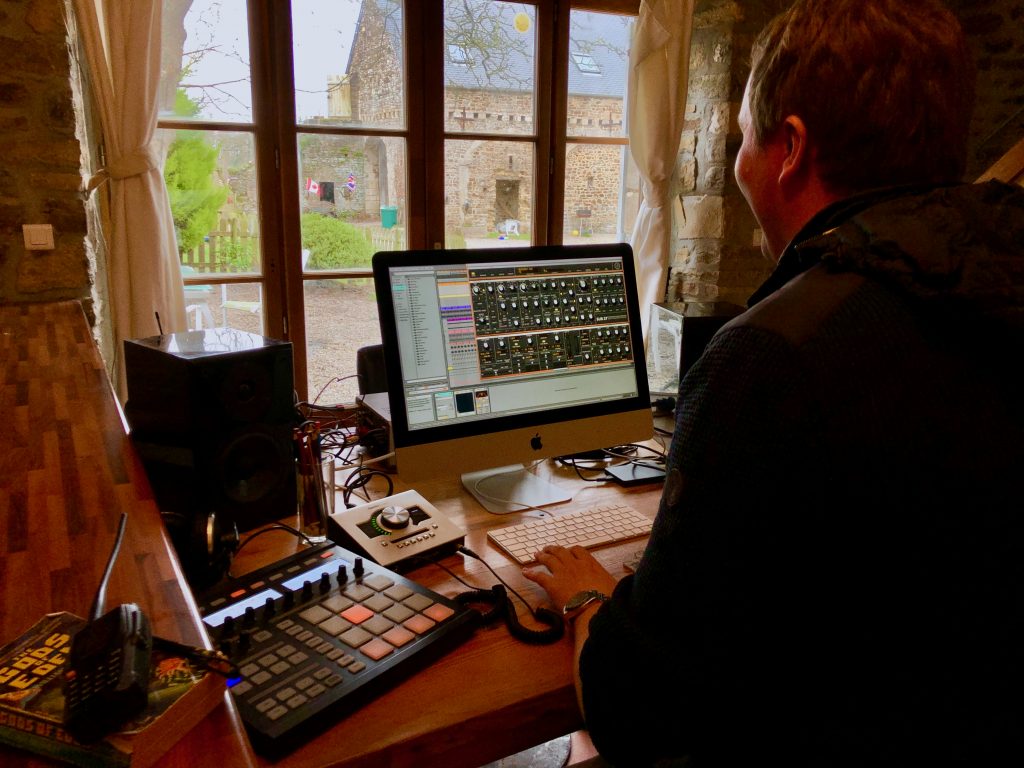
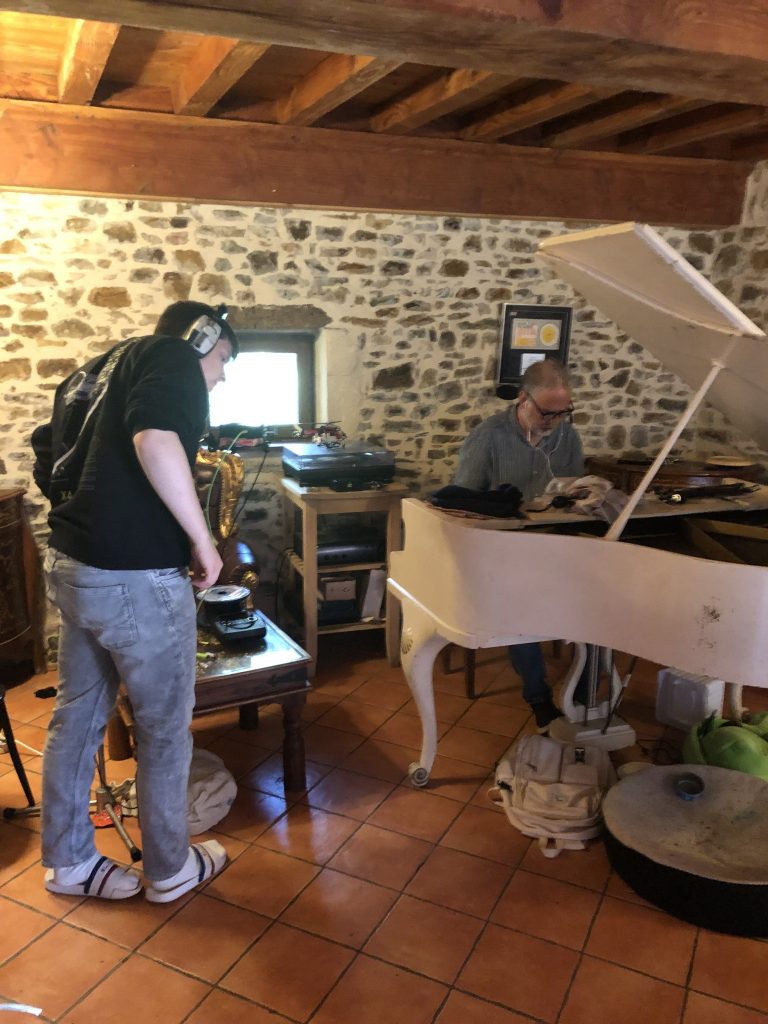
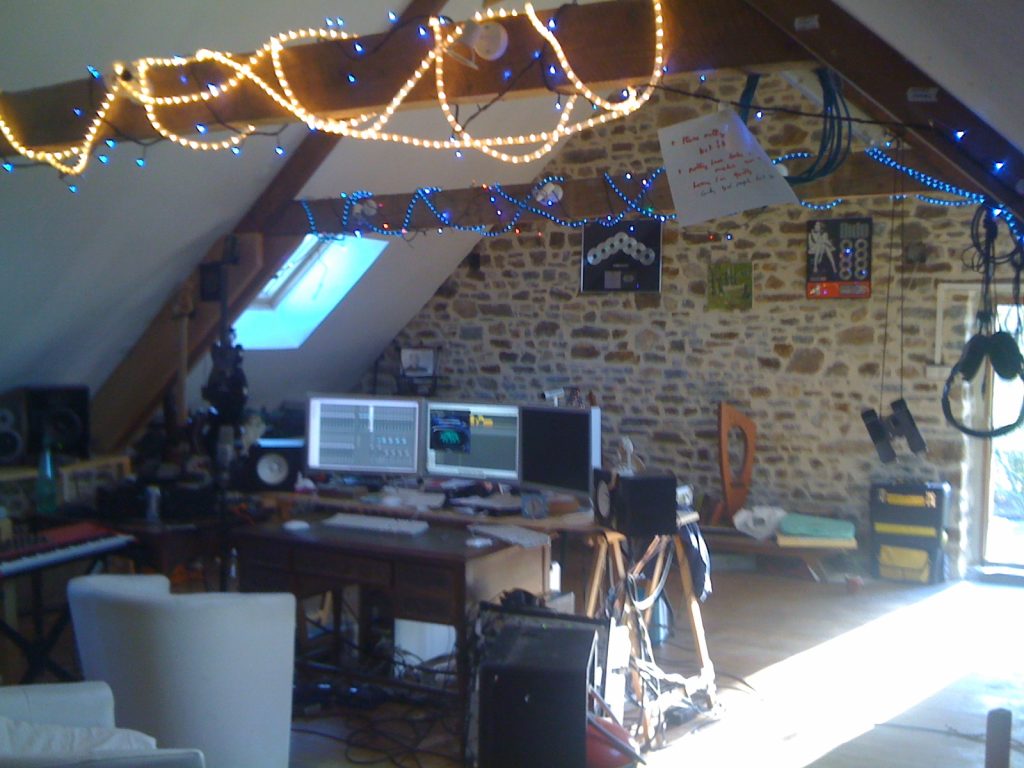
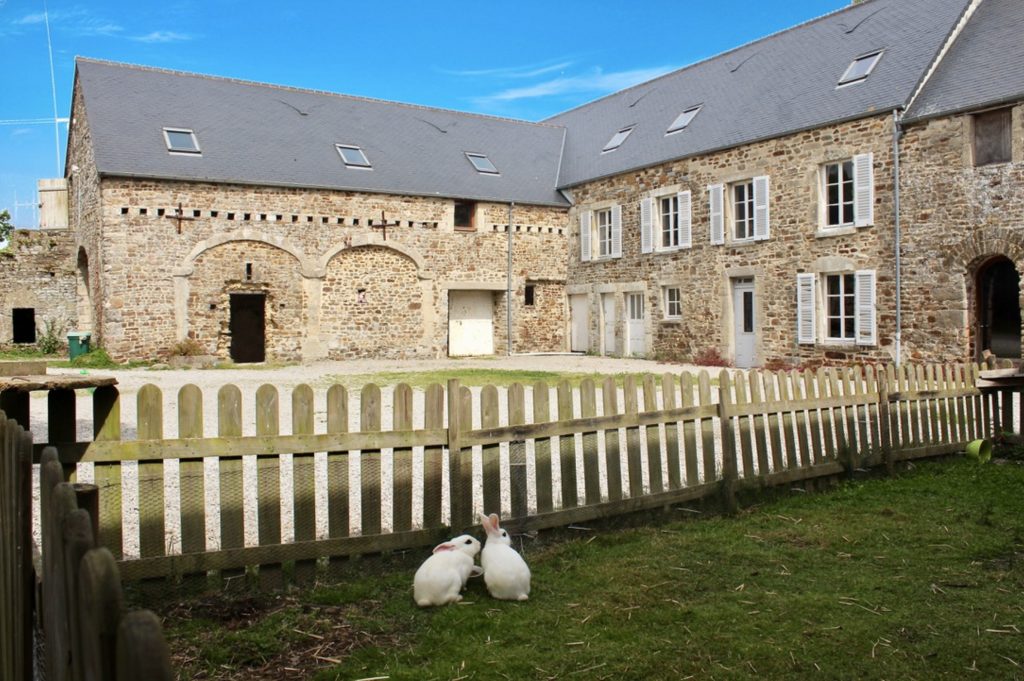
Vibey Studios is housed in a fortified 12th-century manoir — a corps de ferme — originally built for a local baron and later given to monks, who are said to have used it to educate his illegitimate children. The building still carries that sense of history, solitude, and purpose.
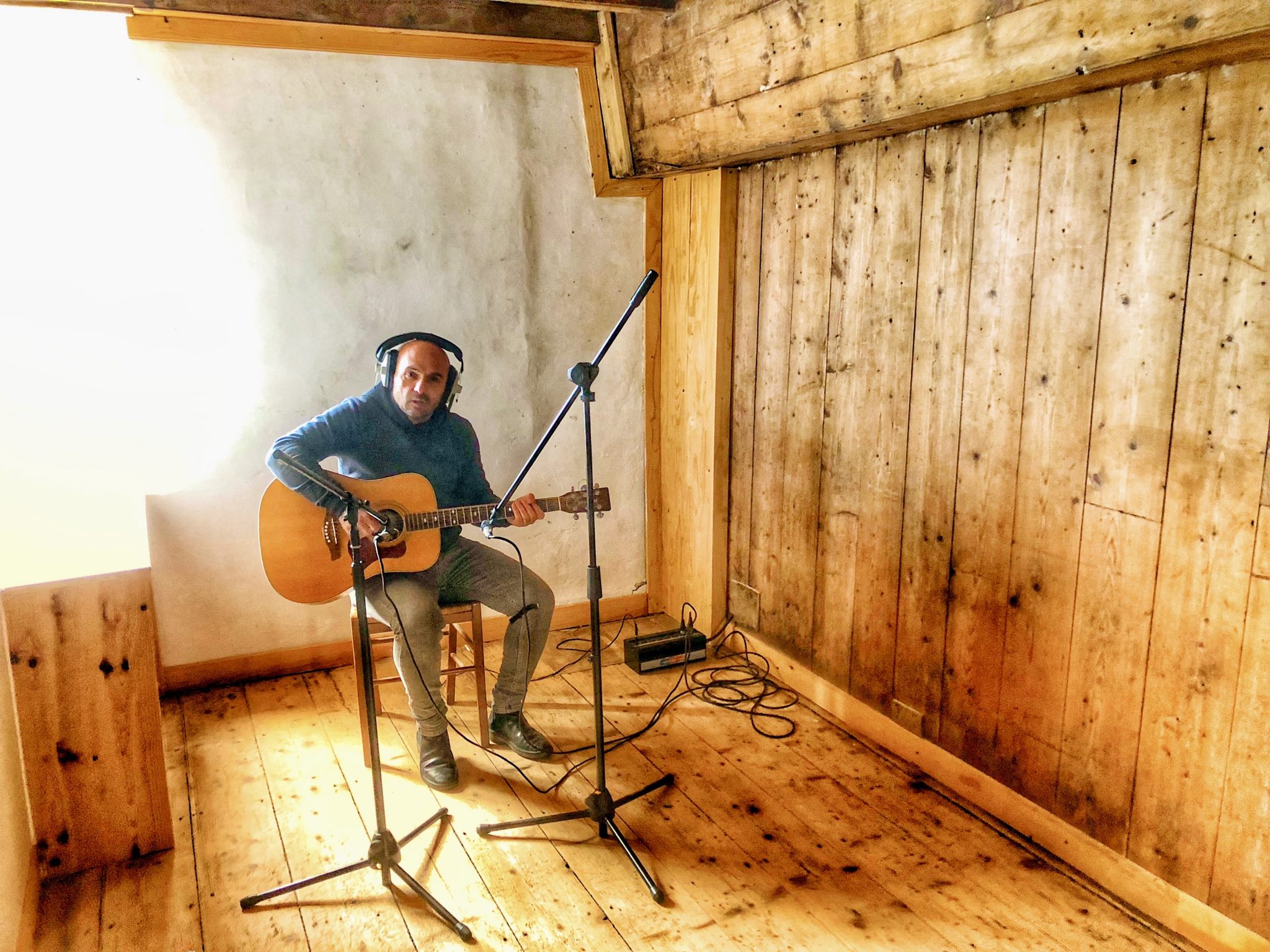
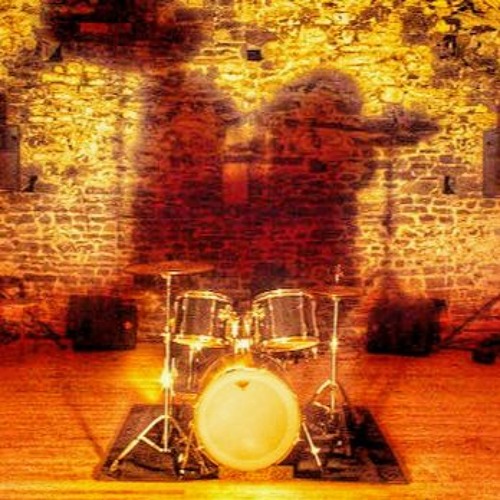
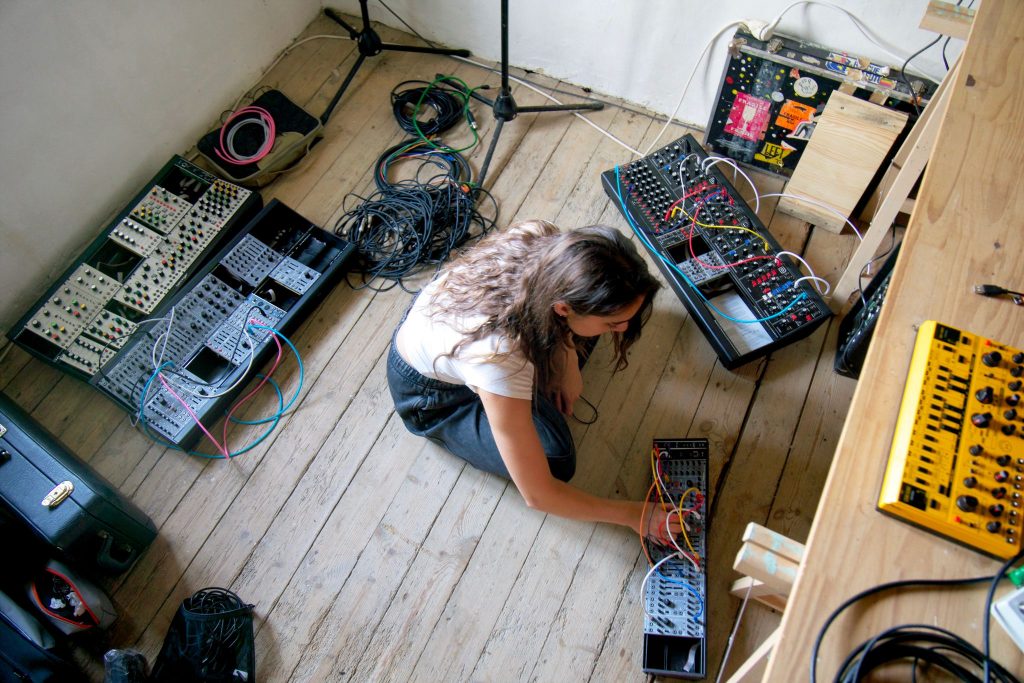
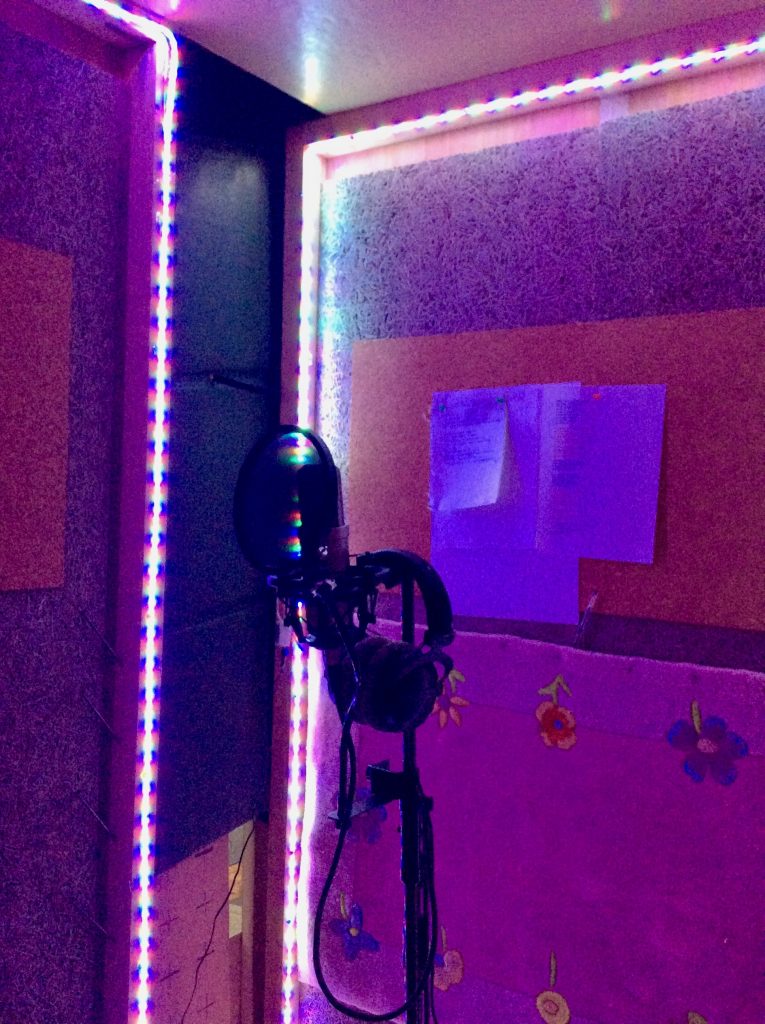
Today, the property is arranged around distinct recording environments designed for exploration and focus. There is one main control room, supported by several satellite recording spaces: a live room, drum room, guitar room, and a small amp room — all patched and ready for fast, intuitive movement between ideas.
The studio comfortably accommodates full band projects and extended residential sessions, regularly hosting up to twelve people. It is a place designed not for speed or volume, but for depth — somewhere artists can disappear into the process and come out with something real. Recently we added a Film Set room and two green screen room for making content.
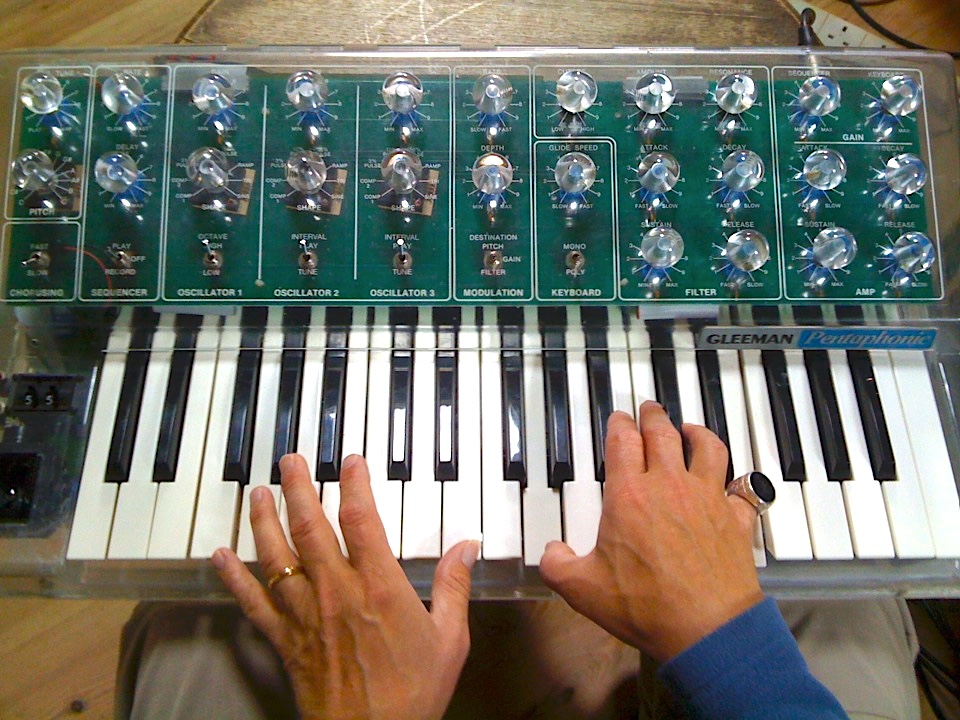
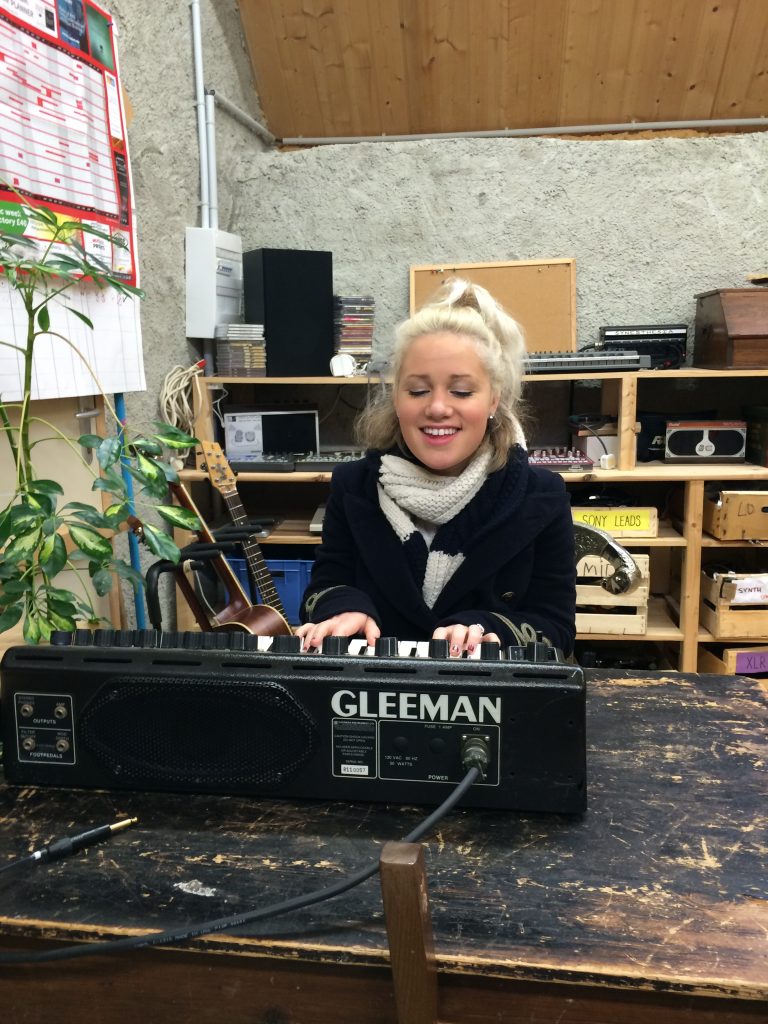
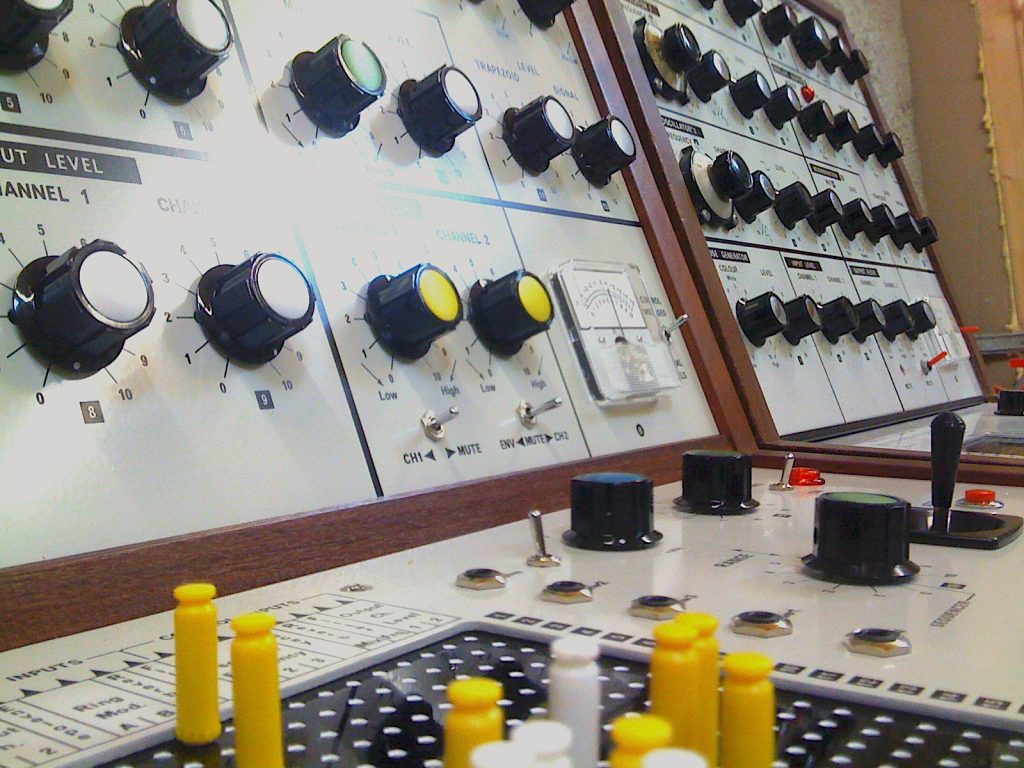
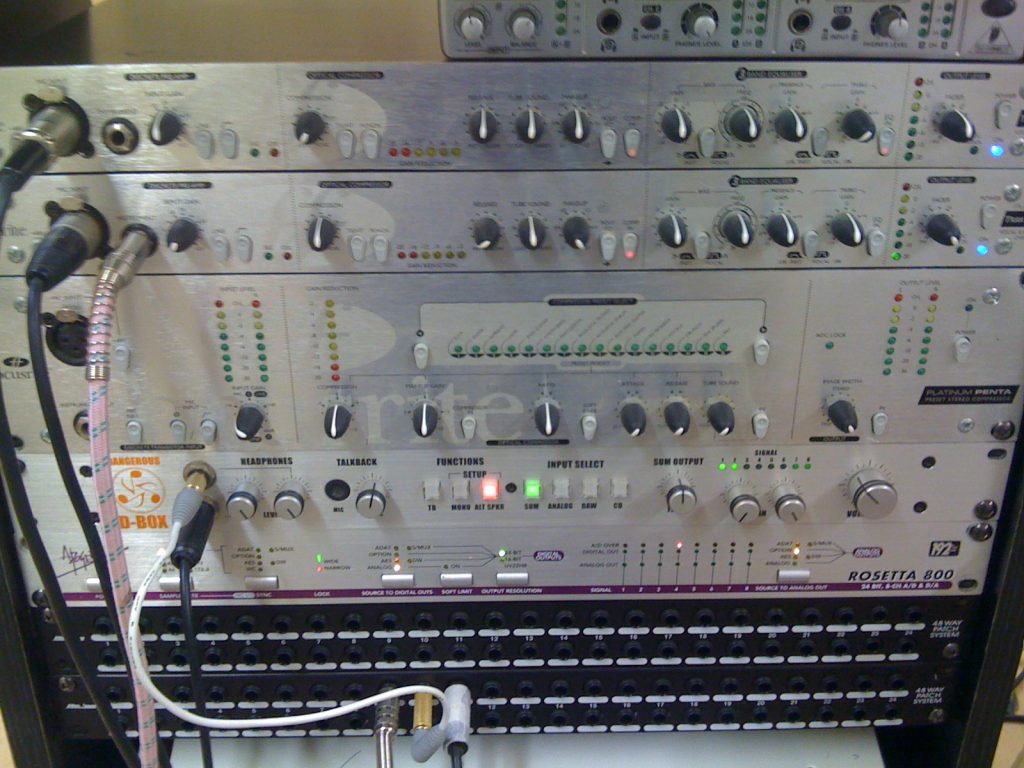
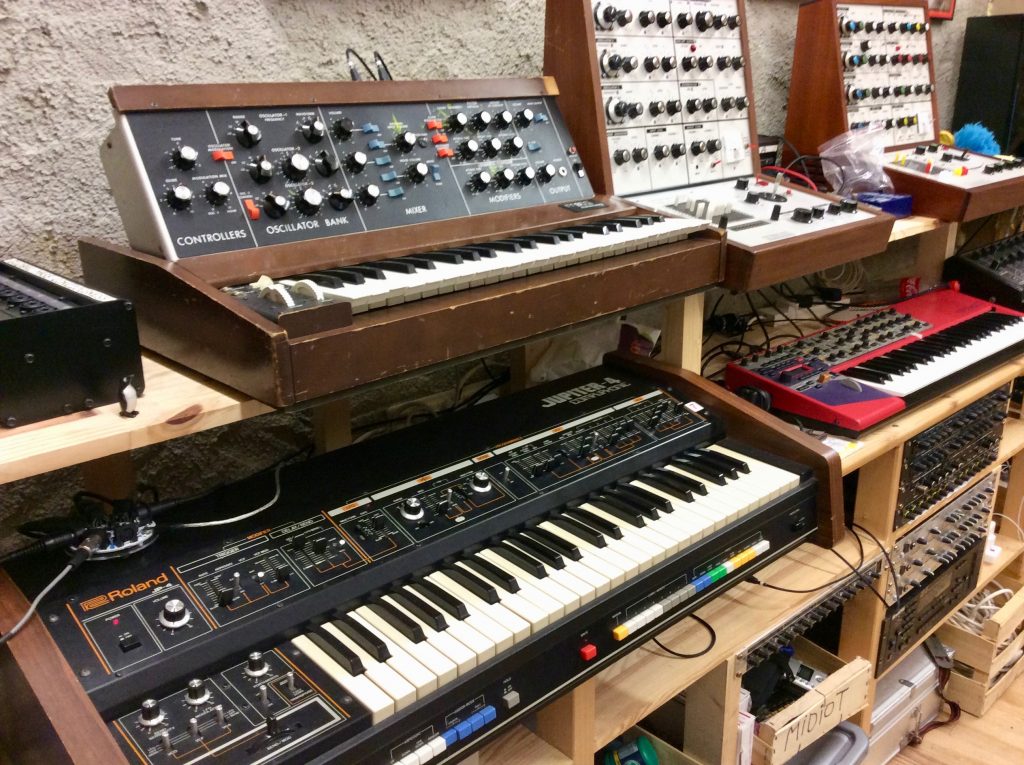
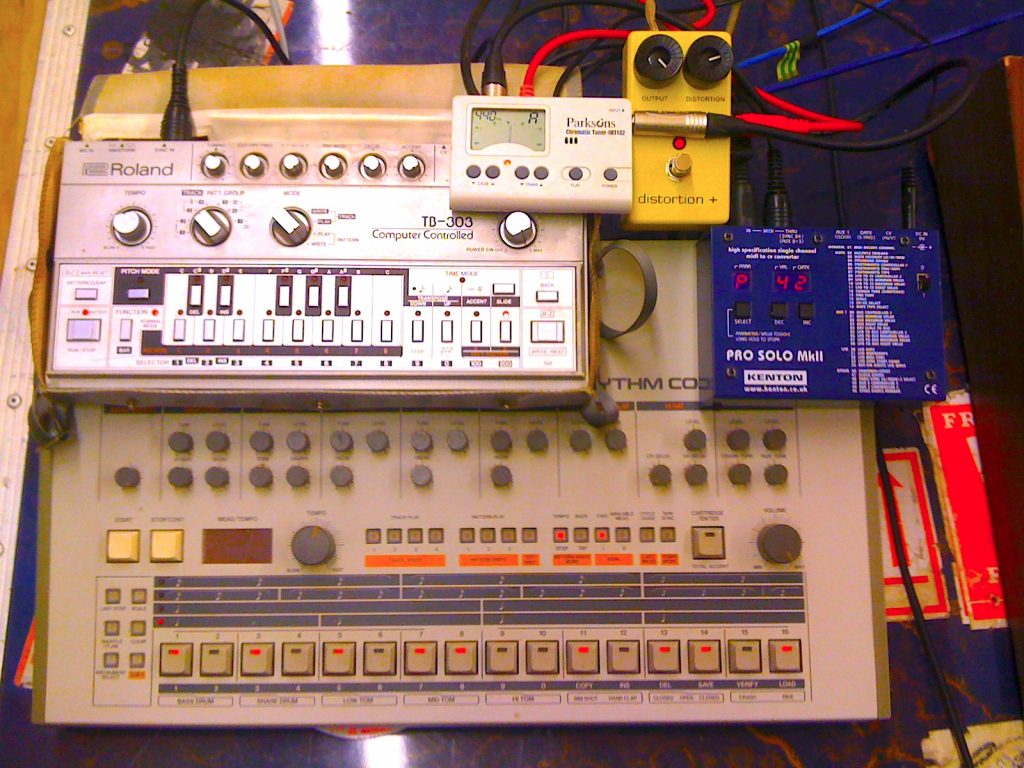
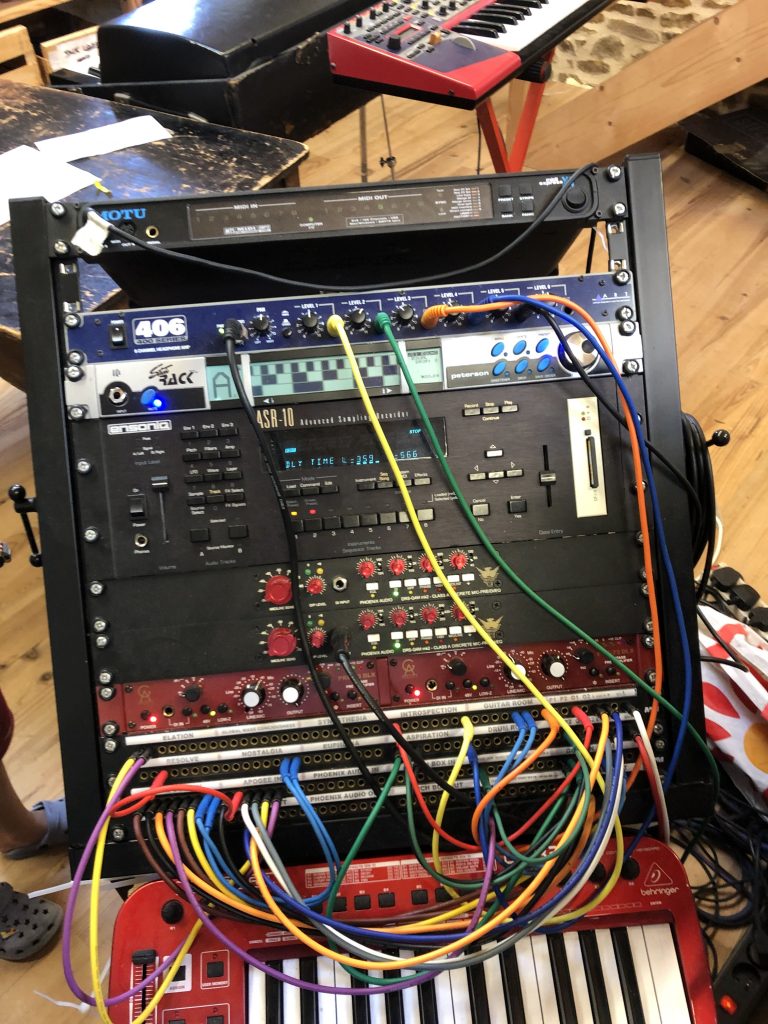
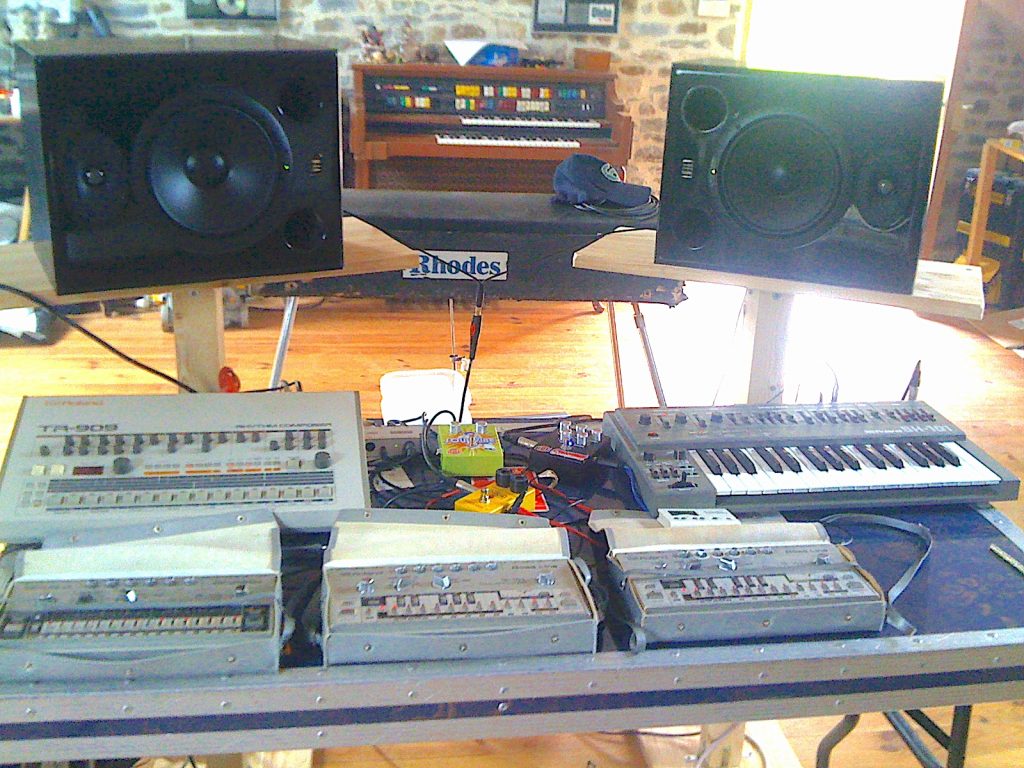
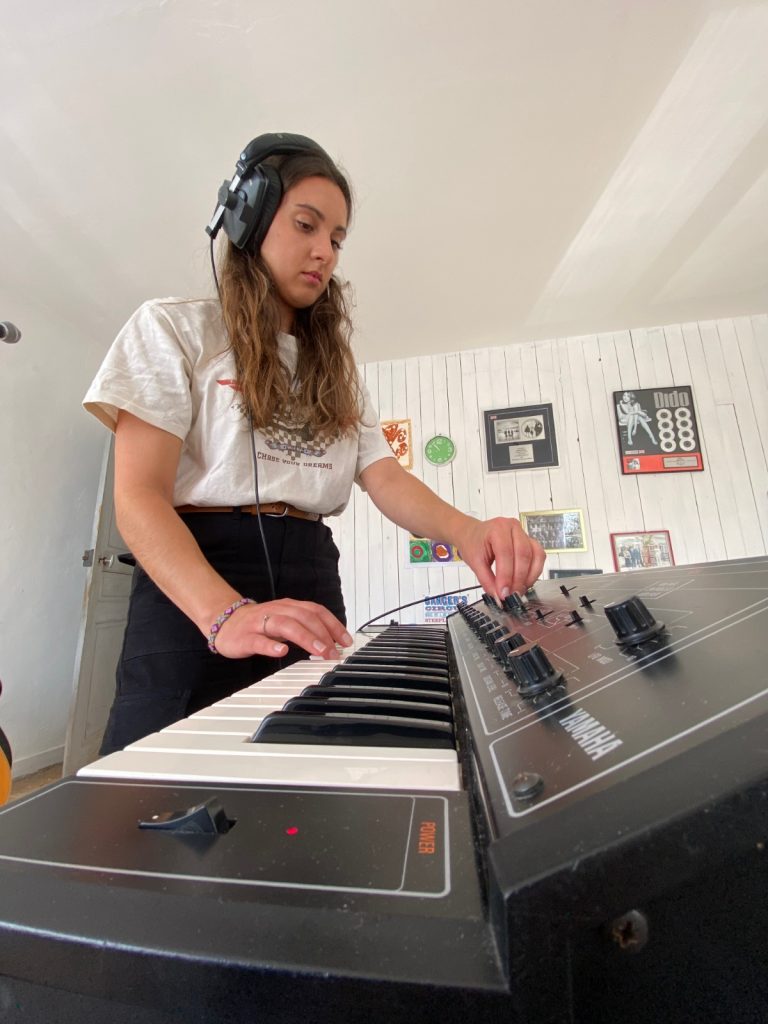
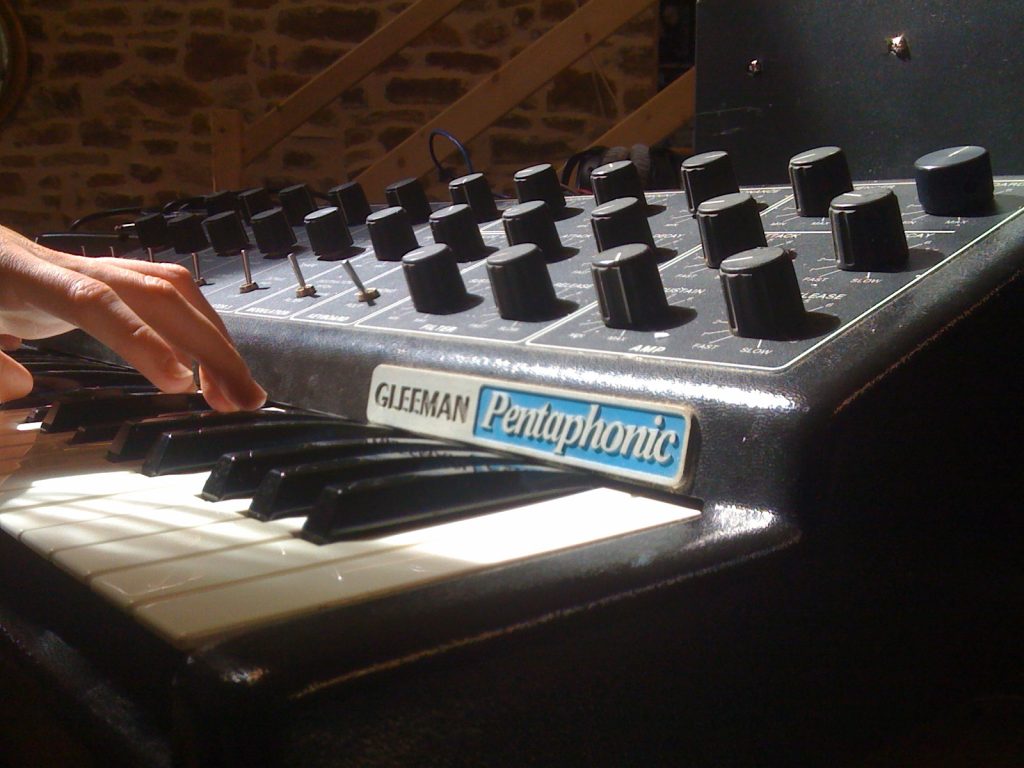
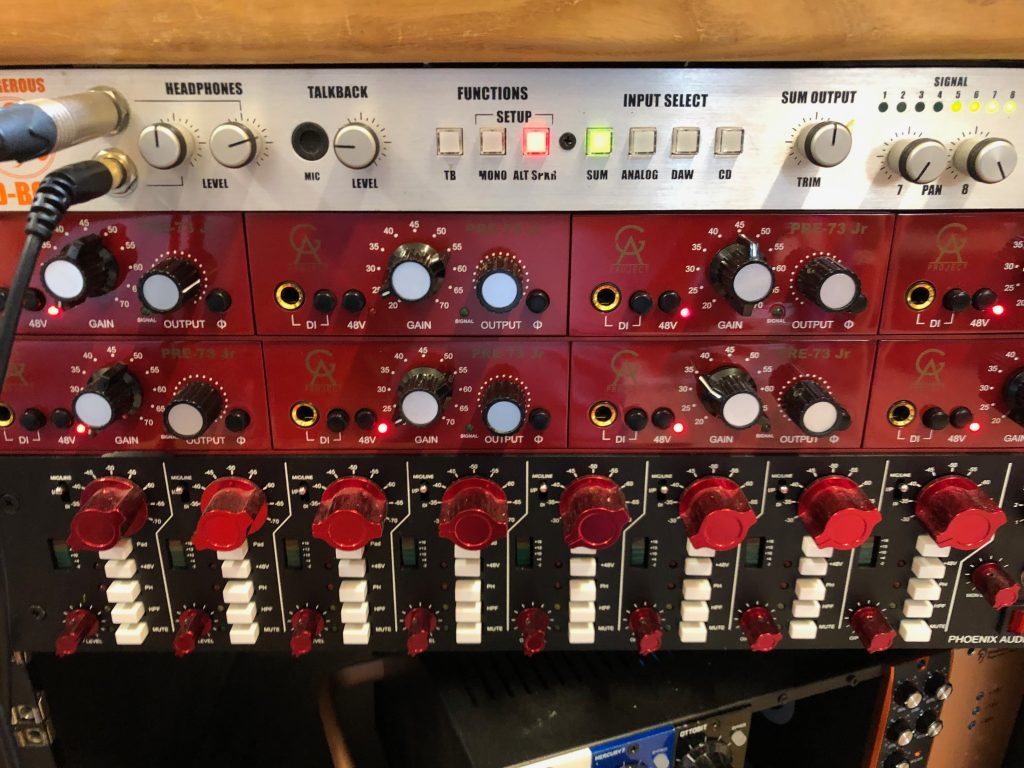
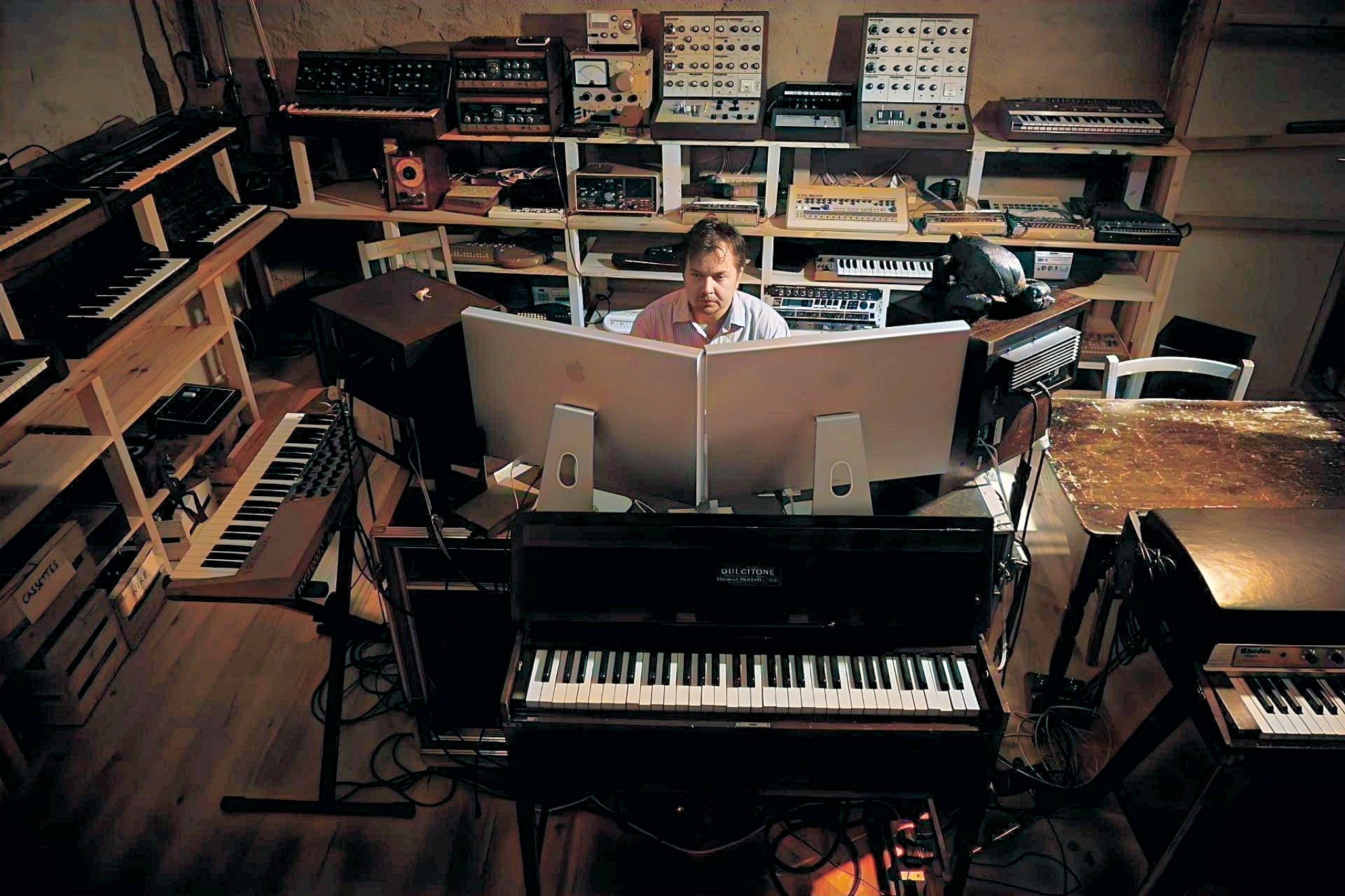
As a programmer and producer, James has spent decades collecting rare and characterful analogue instruments — not as museum pieces, but as working tools.
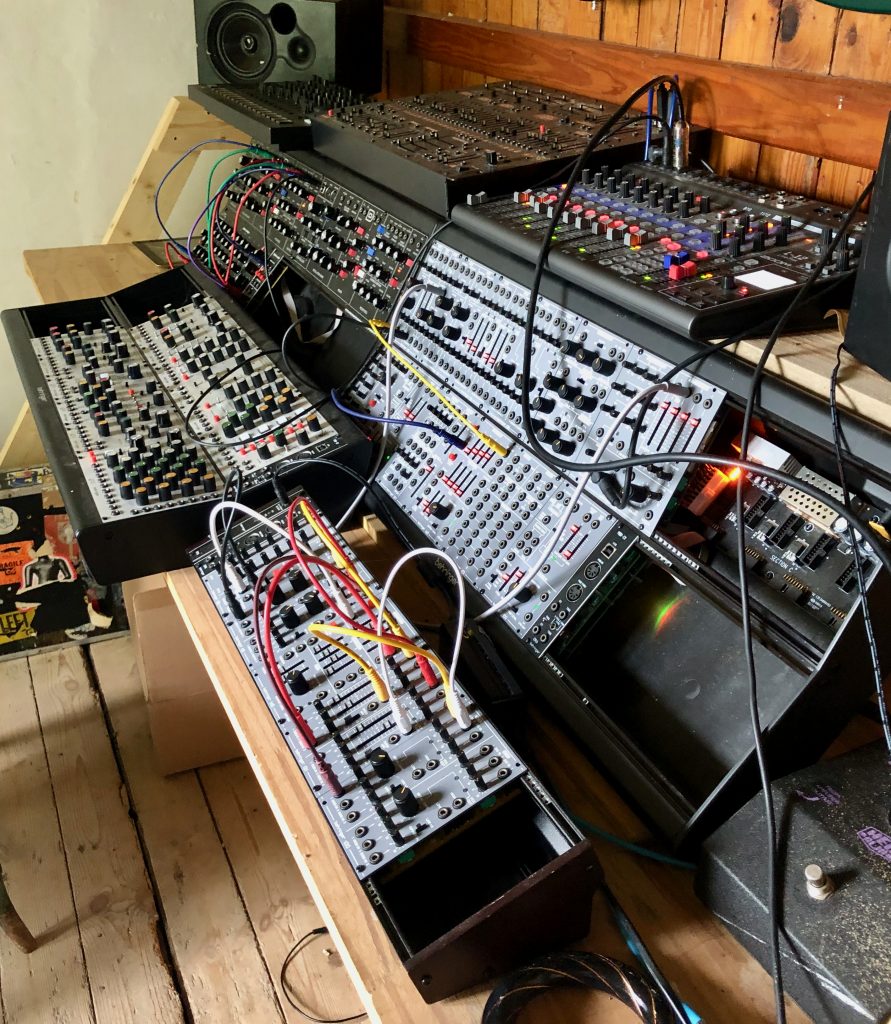
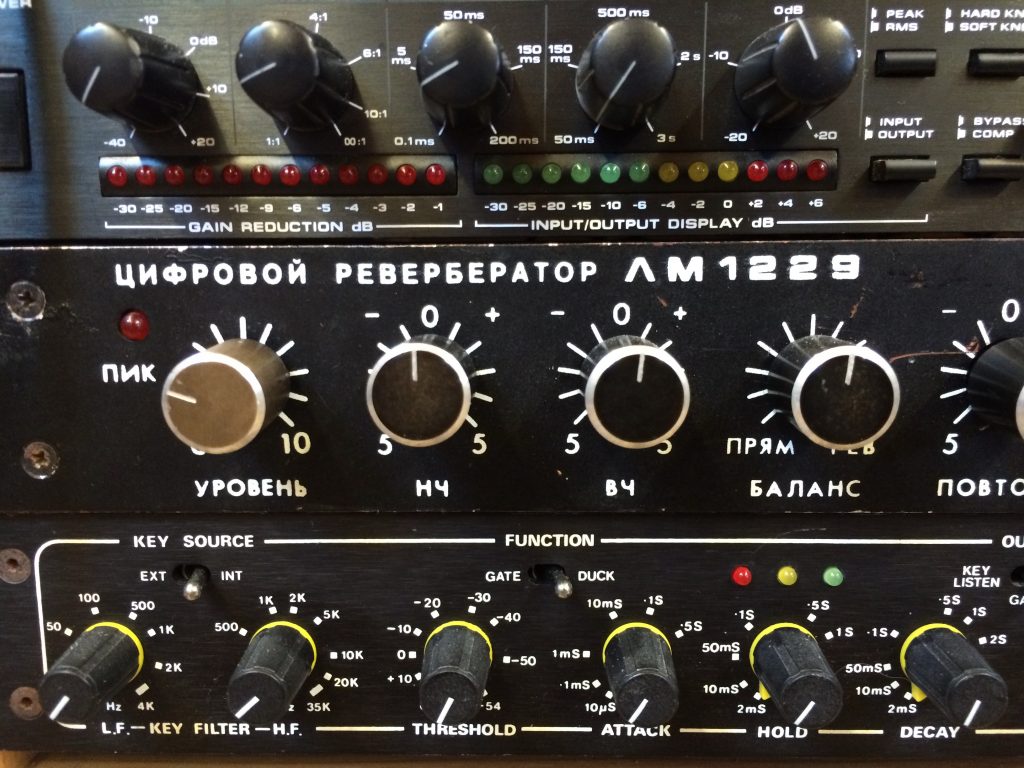
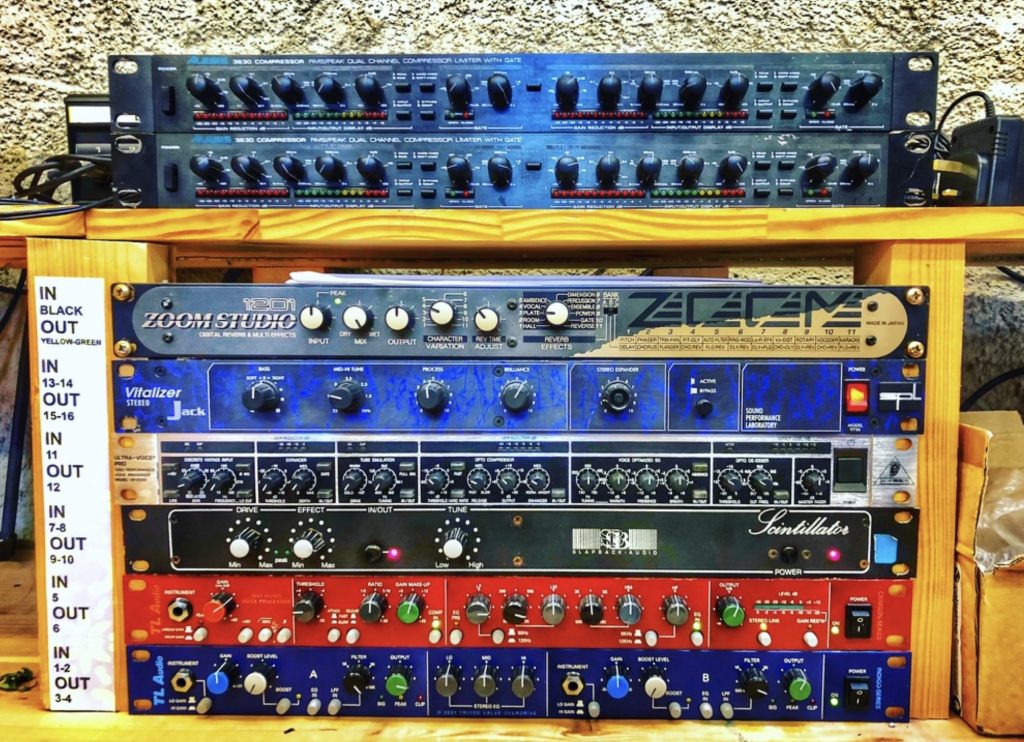
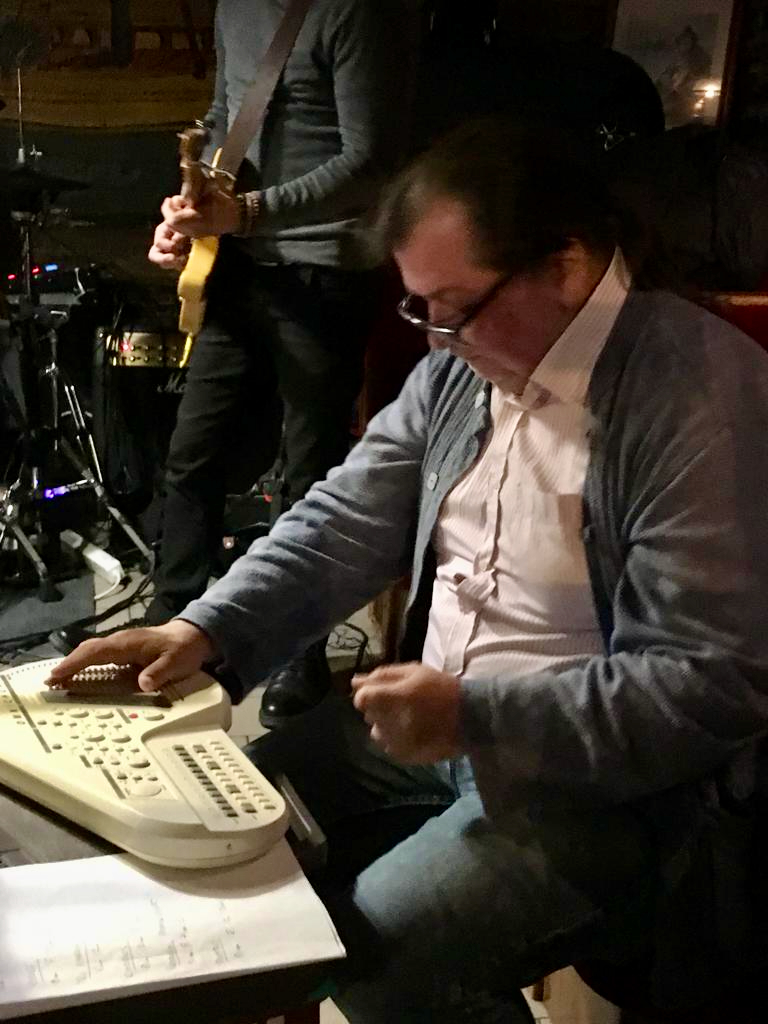
Vibey Studios is filled with vintage synthesisers and recording equipment that form the backbone of its sound: classic Moogs, 2x EMS VCS3s, many vintage Roland machines, and a wide range of analogue hardware that invites experimentation rather than presets. Among the collection are two Gleeman Pentaphonic Clear’s — two of the last in existence — prized and frequently used instruments. Also several Omnichords that James was taught how to use by Brian Eno no less.
The gear here isn’t about nostalgia or excess. It’s about texture, instability, and personality. Everything is chosen for how it feels to play, how it misbehaves, and how it helps artists find sounds they wouldn’t stumble upon anywhere else.
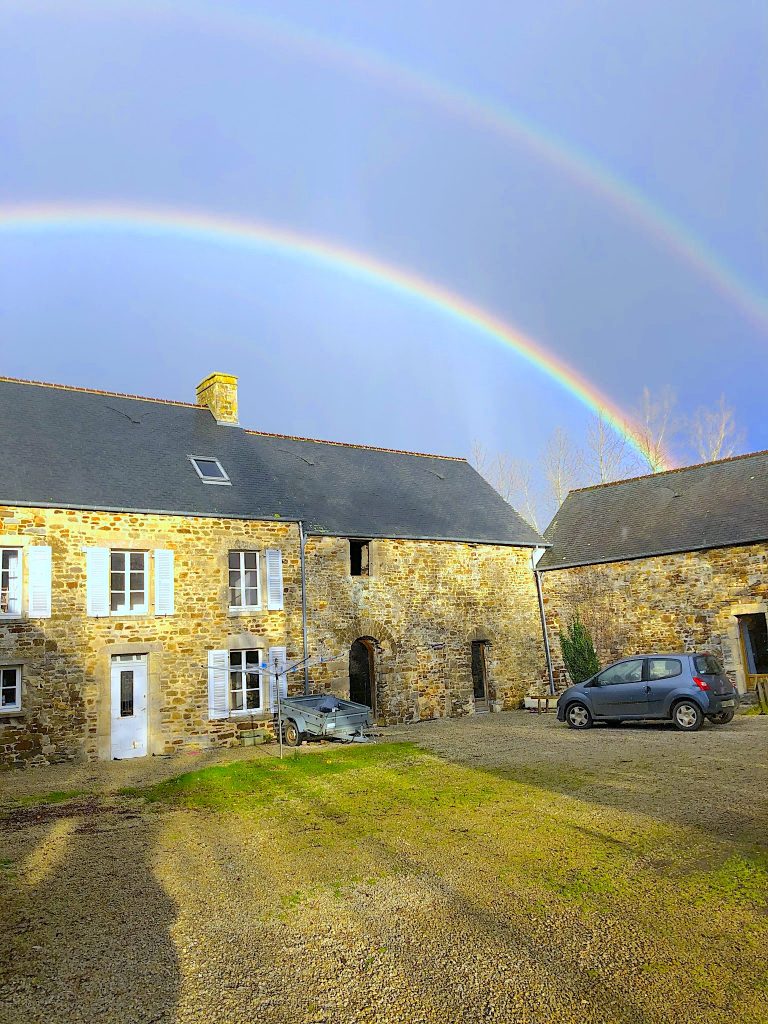
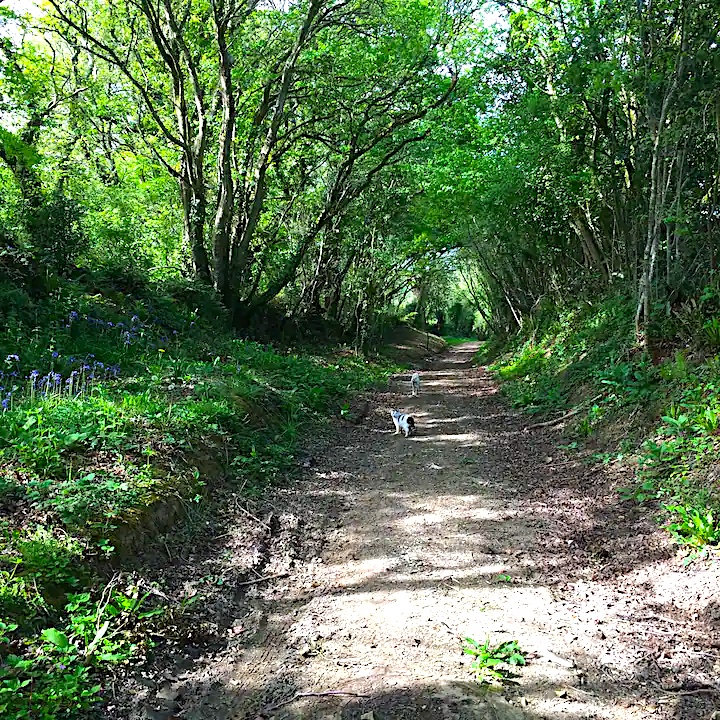
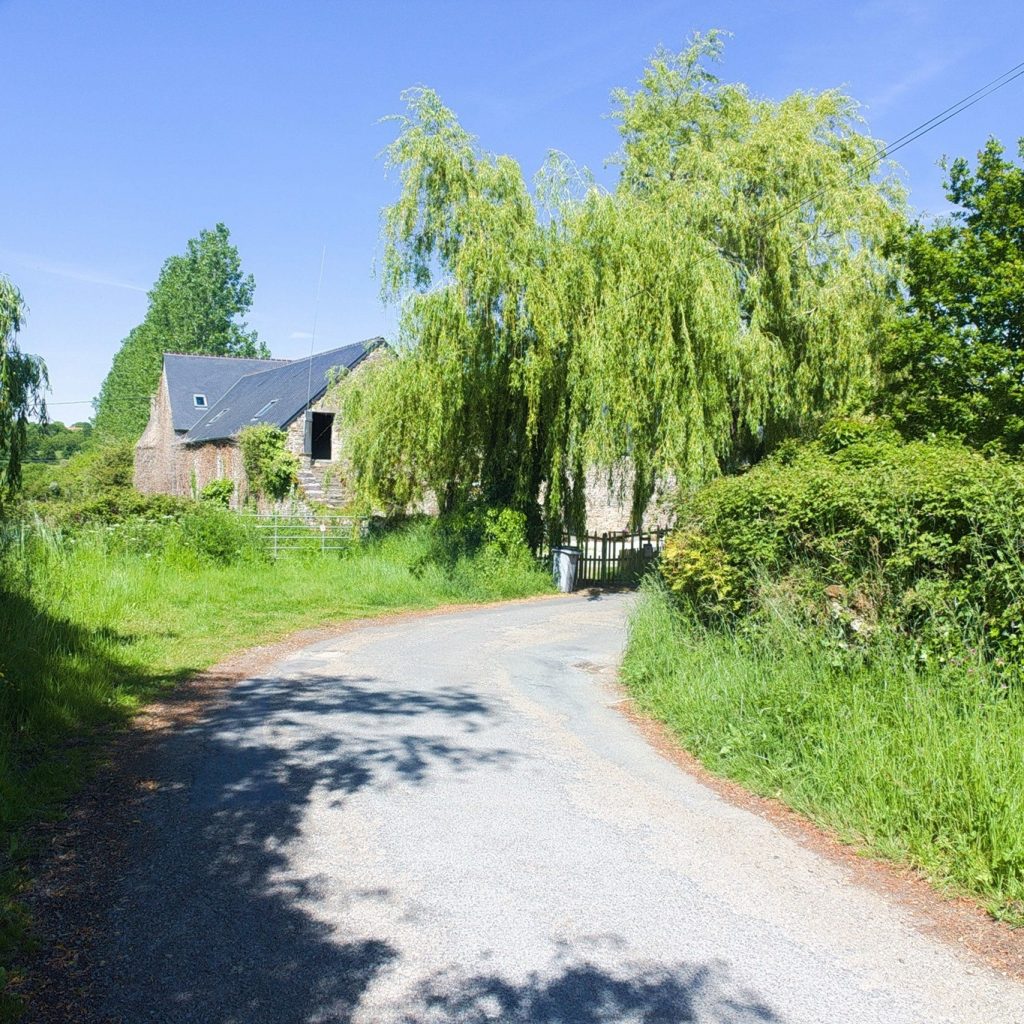
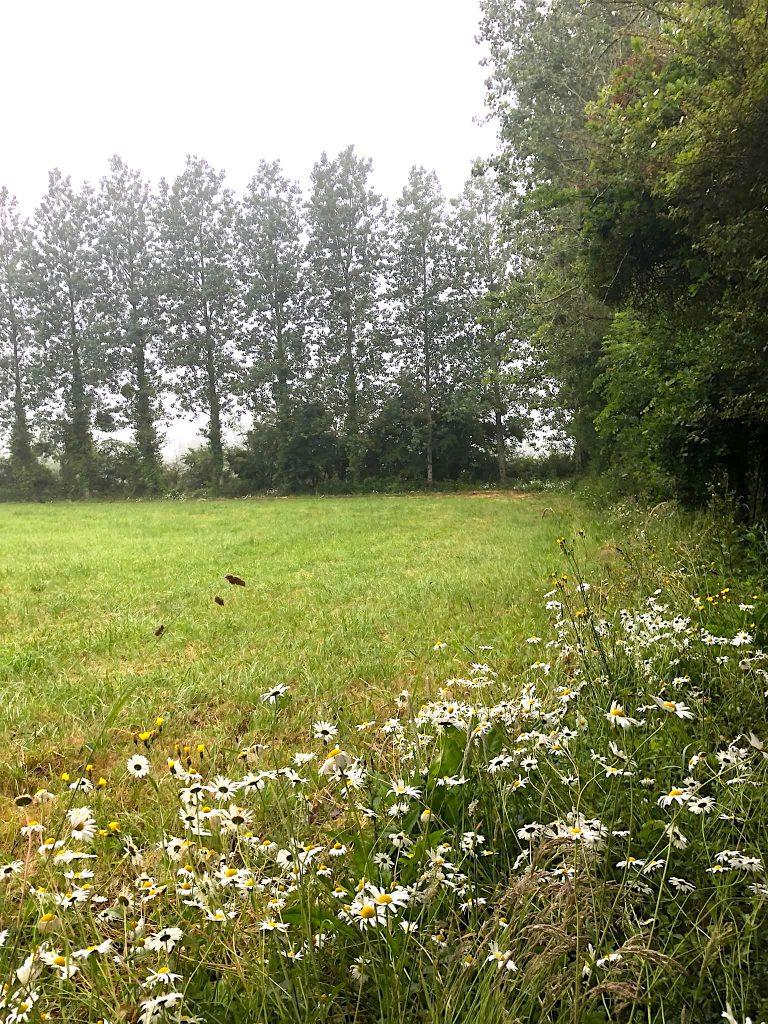
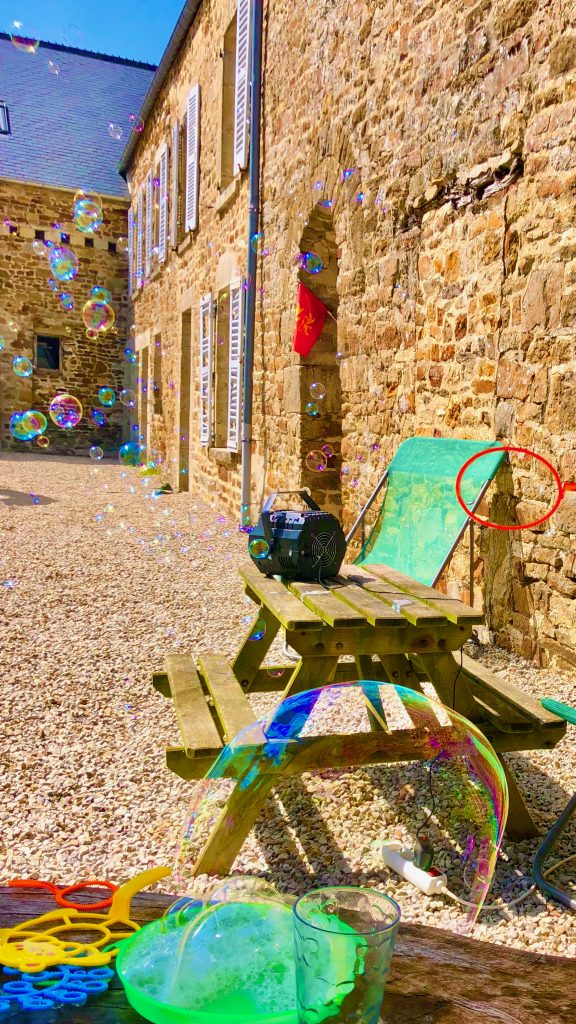
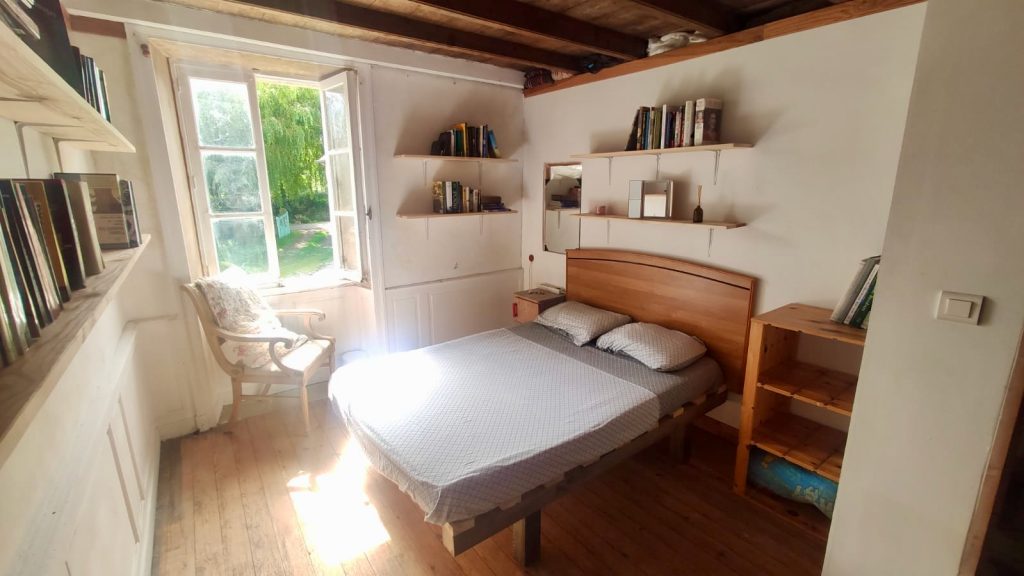
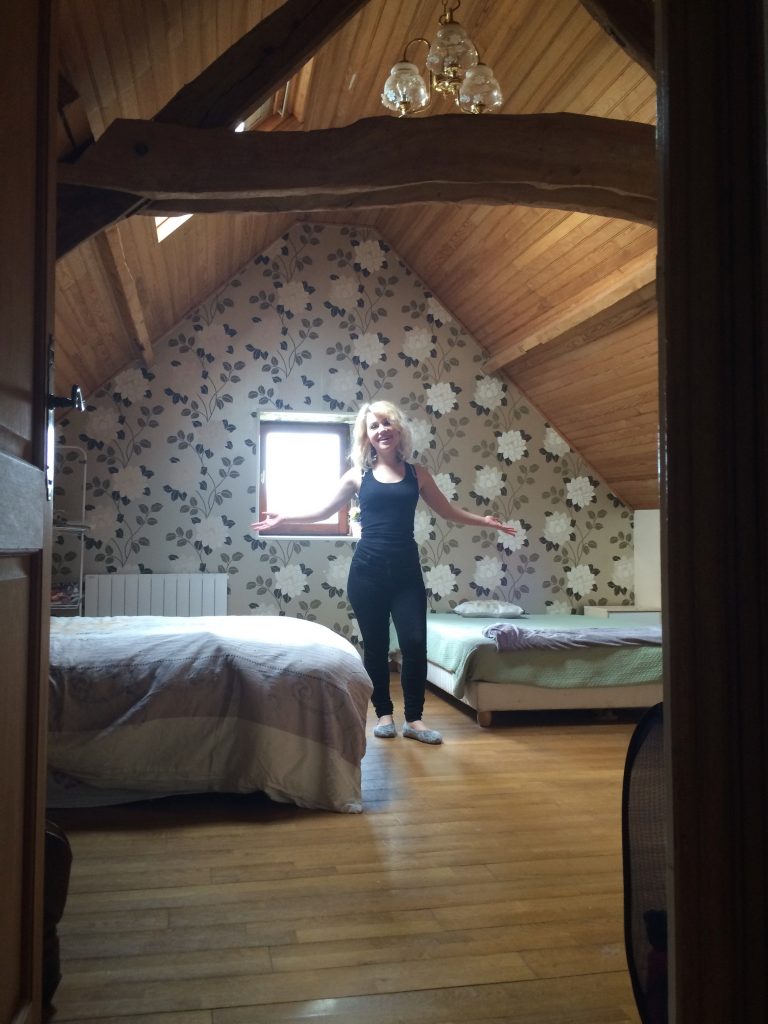
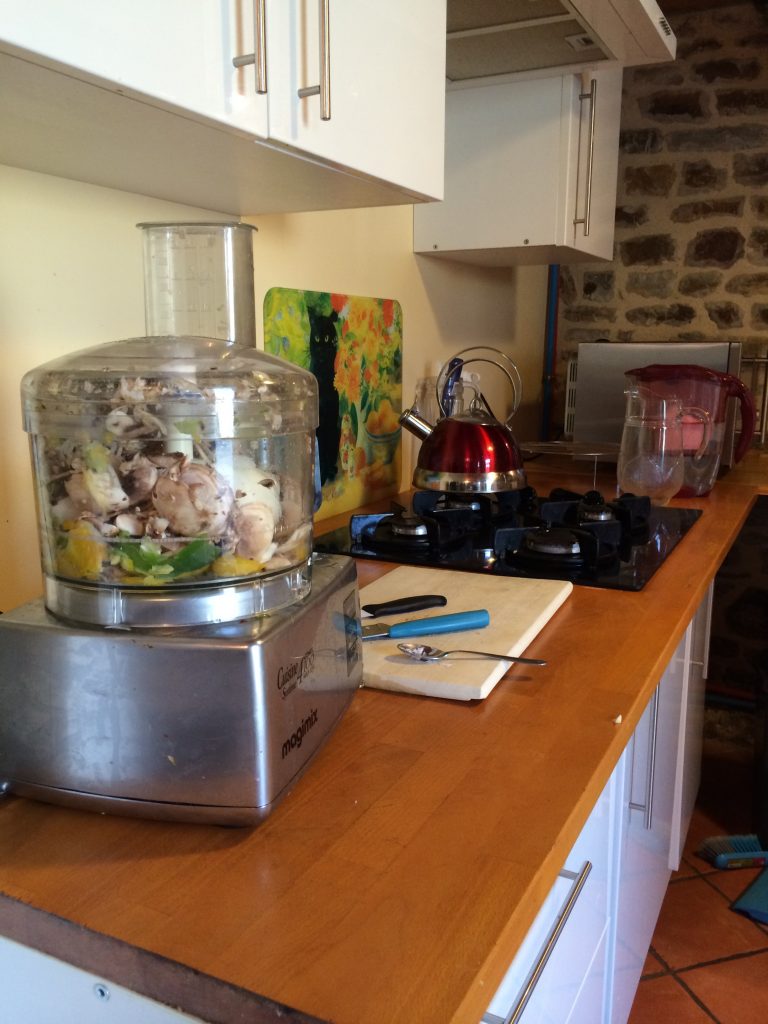
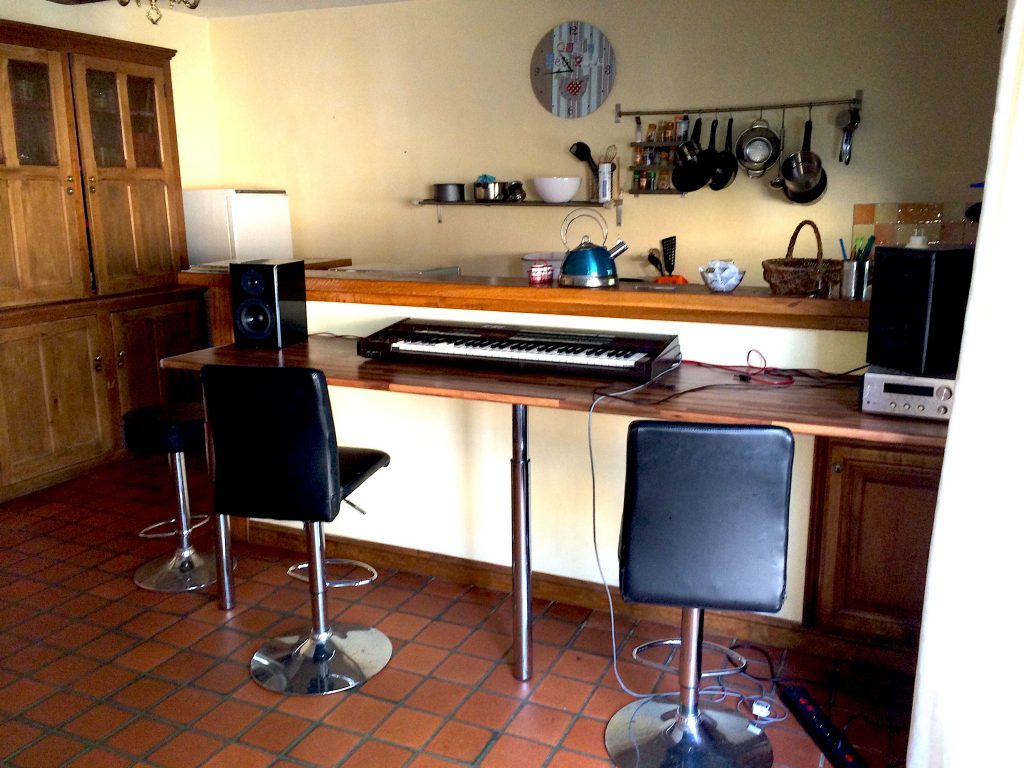
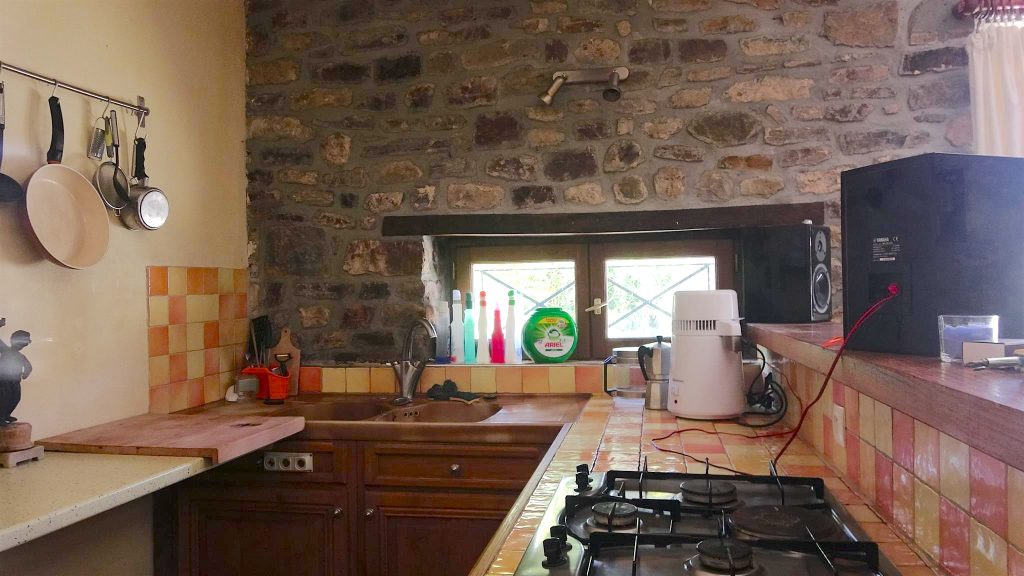
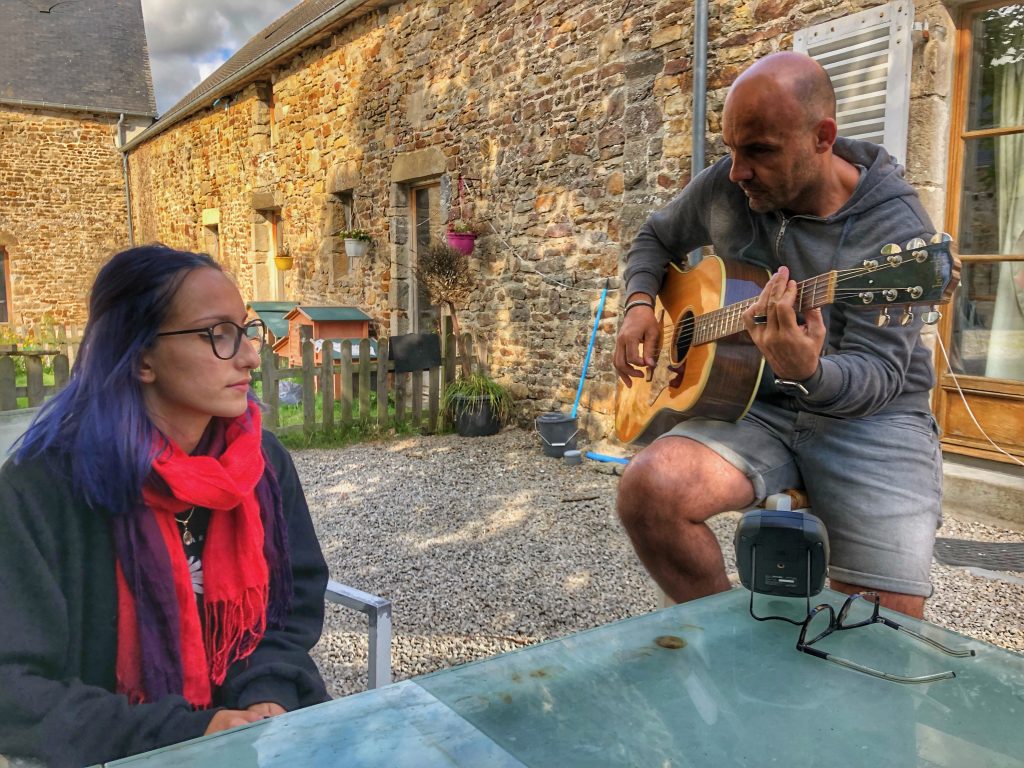
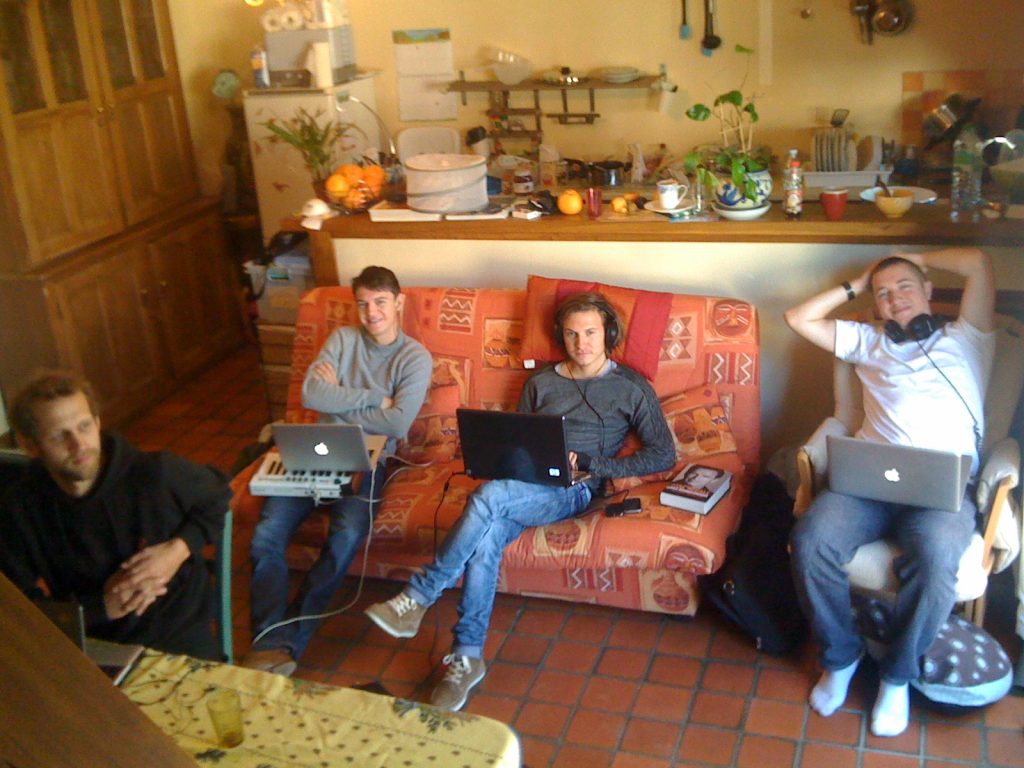
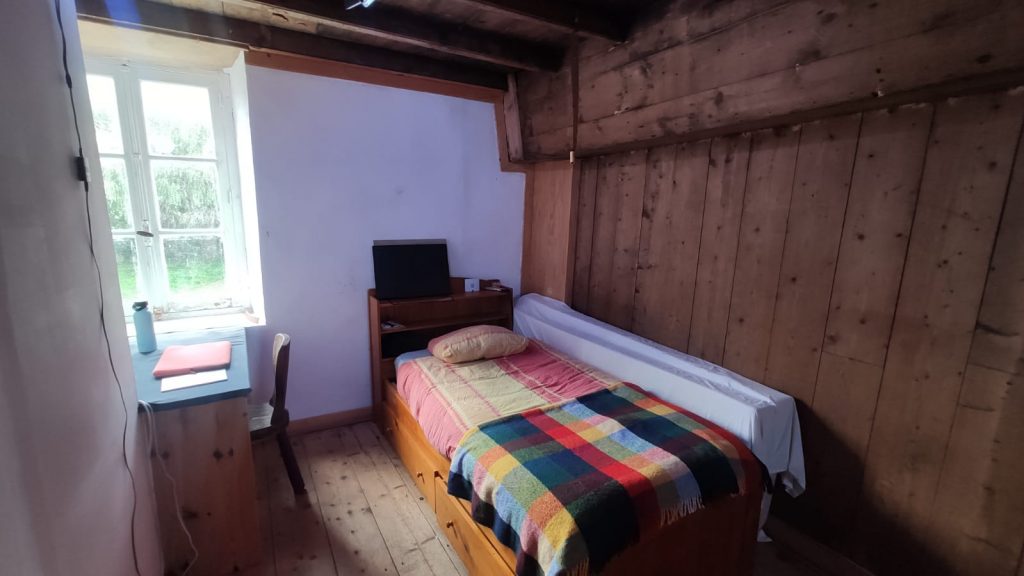
Vibey Studios is fully residential, allowing artists to live where they create.
Following the development of Keane at the studio, extensive renovations were undertaken, including a completely new roof and a redesigned accommodation wing. The house now includes five comfortable en-suite bedrooms, a shared living room with underfloor heating, and a home-cinema video system — making long stays not just possible, but genuinely enjoyable.
The surrounding countryside is quiet and entrancing, with extensive walks and open space to clear the head between sessions. In the garden stands the walnut tree that inspired Keane’s Under the Walnut Tree — a small but meaningful reminder of how place, time, and music can intertwine.
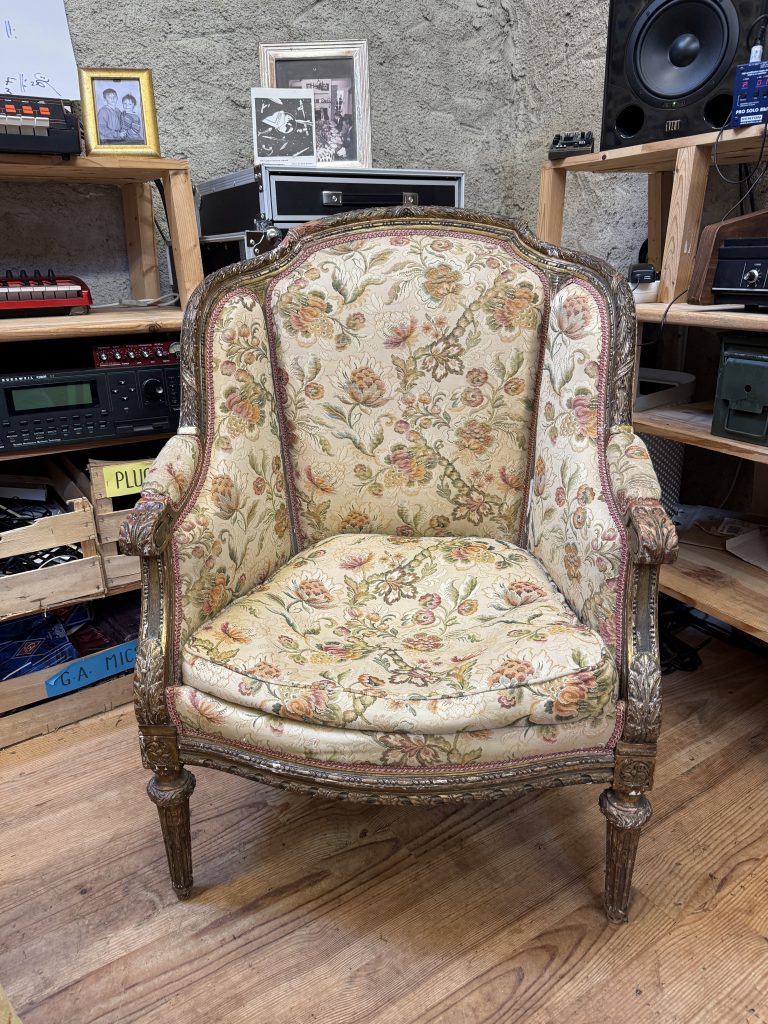
Vibey Studios exists to help artists discover who they are — before the industry tells them who to be.
James has always approached artist development with the belief that every compelling artist needs a unique sonic fingerprint. The studio was designed around that idea: a place for questioning, experimenting, and chasing ideas that don’t immediately make sense.
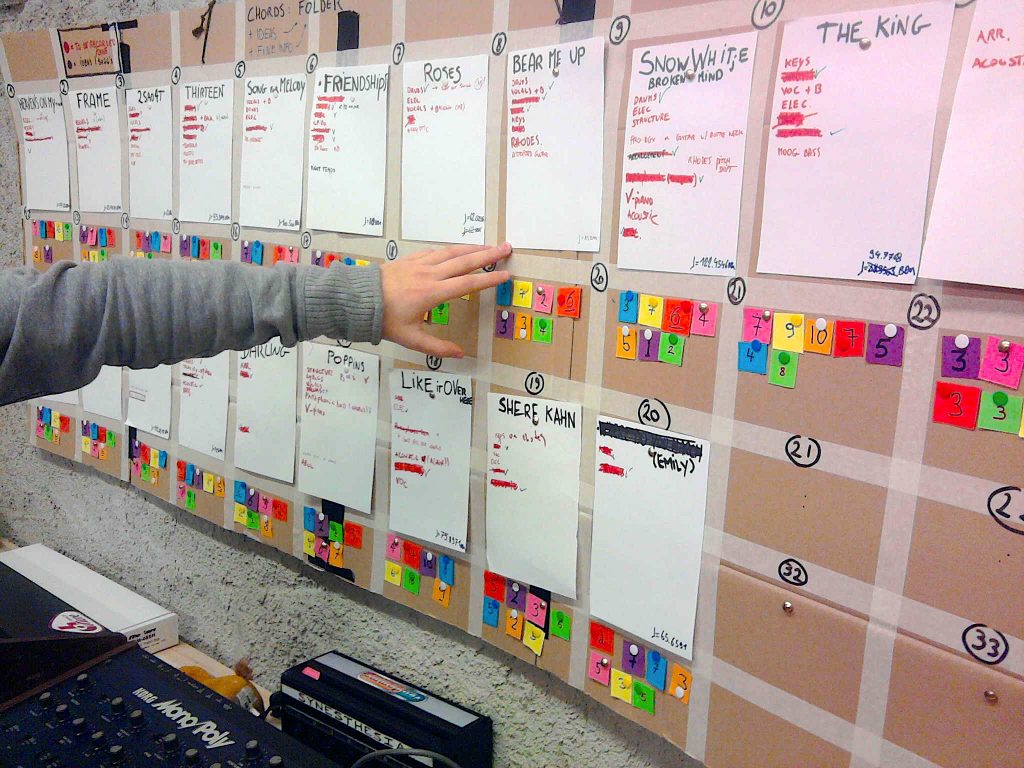
James built his studio around concepts her learnt while assisting Brian Eno. He likes to have workstations set up around different artistic processes and synths , less like a sterile mixing room studio a more like a genius inventors laboratory workshop!
This is not production-line recording. It’s slow listening, careful refinement, and occasional left-turns into strange, trippy territory — whatever the music needs to reveal its own identity. Many records made here began long before there was any label interest, chart ambition, or commercial pressure.
Stats are boring. Trends pass.
What lasts is feel, intention, creativity and vibe— and that’s what Vibey Studios is built for.